


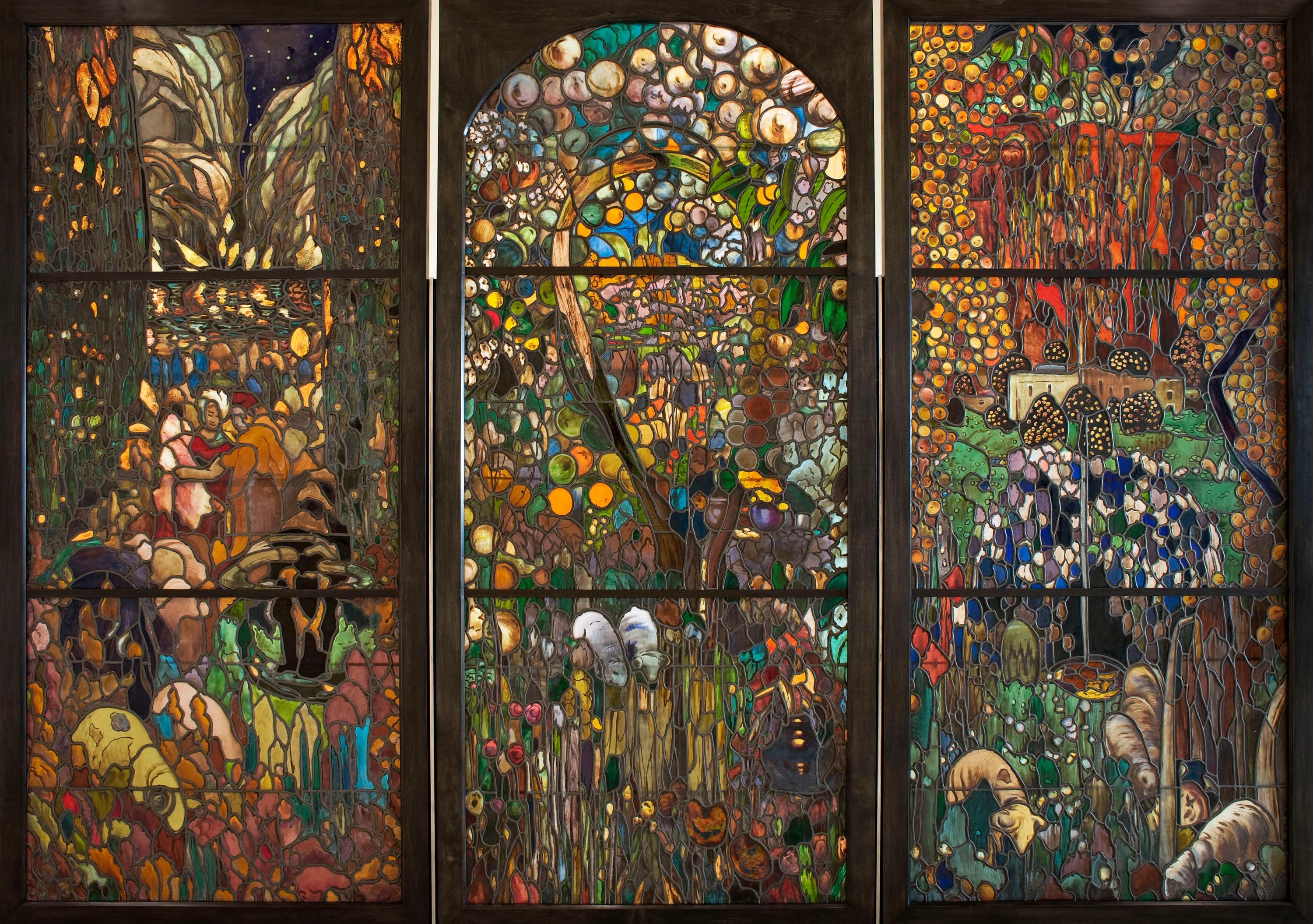
I have a piece in Asterisk Magazine! It came out last week and it is about architecture, a field that I have no special qualifications in, which makes me nervous whenever I talk to actual architects or architecture students. But I think the piece is very good. It is part of Asterisk’s “Flourishing” issue, and it’s about the history of Art Nouveau architecture, especially its Catalan version, which I previously wrote about here in the context of the Sant Pau hospital.
My goal was to understand why Art Nouveau, which is clearly beloved today, didn’t become more dominant as a style. Instead it fizzled out and nearly nothing has been built in this style outside of the 1890-1910 period (unless you count finishing the Sagrada Família).

I learned several cool things as I researched and wrote this piece, and hope you will enjoy learning them as well. Read it for the full version, but as a sneak peak:
Art Nouveau has approximately nothing to do with “traditional” architecture. It is heavily ornamented, but in (what was then) a new way, which is what nouveau means. I suspect that this is a potential point of confusion when people online discuss what kind of architecture they want. Greco-Roman classicism is very different from curvy Art Nouveau.
Art Nouveau also turns out to be directly related to modernism, the more plain style that has been dominating everything since the mid-20th century. I suppose it’s not a coincidence that the Catalan Art Nouveau tradition is called modernisme. But also, the main founders of modernism — Le Corbusier, the Bauhaus school — were often literal practitioners of Art Nouveau early on, or were trained by them. The cover image above is from the 1919 Bauhaus manifesto, showing a Gothic cathedral with glowing stars, which is quite reminiscent of the Sagrada Família.
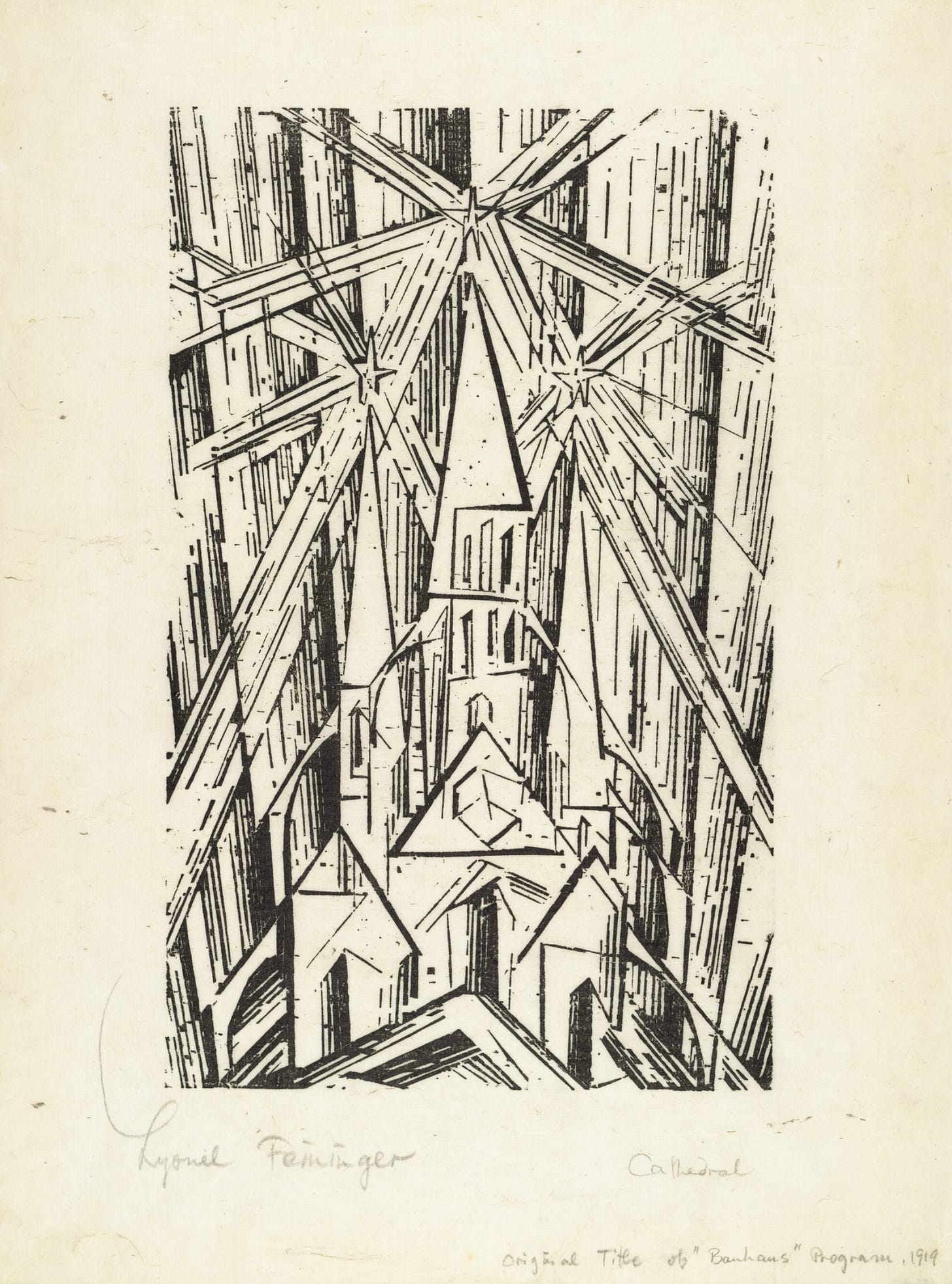
Kathedrale, cover to the Bauhaus manifesto, by Lyonel Feininger (1919)
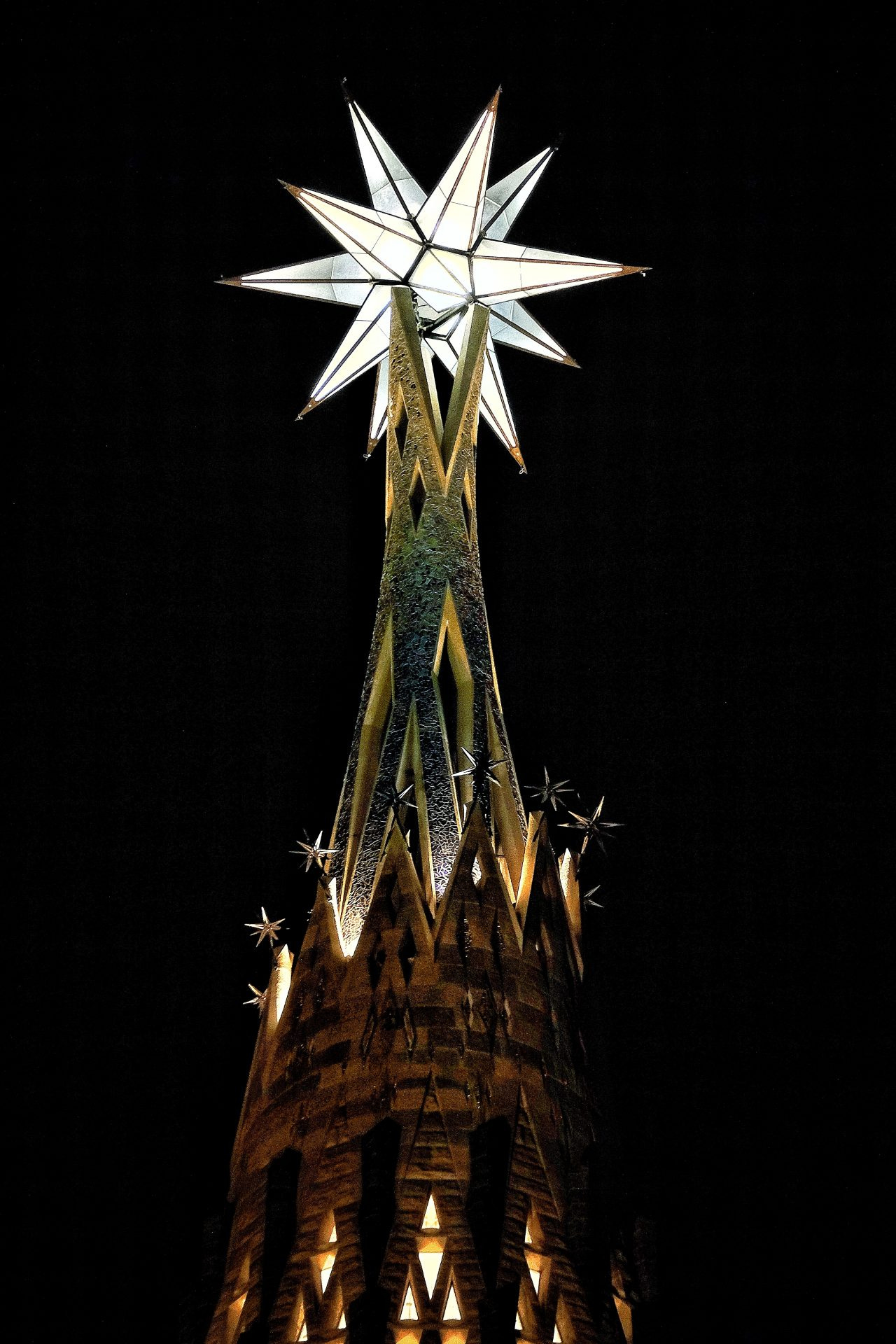
There are apparently a lot of cool Art Nouveau buildings in Riga, which makes me want to go visit Latvia. Overall, not that many cities in the world have significant collections of Art Nouveau architecture. The most significant might be Brussels, Paris, Vienna, Barcelona, Riga, Nancy, Glasgow, Budapest, and several German cities. It didn’t spread much outside Europe.
There was a period of return to classicism after Art Nouveau, called “return to order,” in the 1910-1930s. So, sort of in between Art Nouveau and Art Deco, and overlapping with both, stately buildings with columns became the fashion again.
Speaking of, Art Deco, a movement that flourished some time later, is a far less homogeneous style than you may think. It’s a name for basically every innovative style that flourished in the 1920s-1940s, including many very different trends, some more luxurious and decorative, and some more industrial and mass-produced.1 The name itself was coined in the 1960s.
One of my intentions when I set out to write the piece was actually to defend modern architecture, which has become the target of some criticism in certain circles — I’m notably thinking of my friends at Works in Progress, e.g. recently here and here. I have my own ambiguous relationship with modern architecture, but I’m not sure I like the RETVRN attitude I often witness — and even advocated for in the past. In fact I sometimes wonder if the (often AI-generated) images of trad architecture I see online are speedrunning the process of getting me (and others) tired of trad architecture. I certainly seem to have recently entered a pro-modernism phase, and chose that style for the buildings of my imaginary island website.
I don’t think my article did a great job of defending modernism per se — that’s actually challenging! I’ll have to try again! — but it does explain why Art Nouveau couldn’t really last, unlike modernism. t seems to have been difficult to scale it up and turn it into a style that regular real estate could use, beyond commissioned institutional buildings, churches, and architects’ houses. But a lot of the problems could be solved today, in a richer and more advanced world. So writing this article made me hopeful that architecture can evolve towards new forms of ornamentation. It doesn’t have to be a choice between classic traditionalism or plain modernism forever.
Wikipedia list of “labels that were used for Art Deco architecture”:
Odeon Style, Liberty style, Style Moderne, Jazz Moderne, Zigzag Moderne, British Moderne, Nautical Moderne, Modern Ship Style, Pacqueboat Style, Ocean Liner Style, White Modern, Futurist Art Deco, Streamline Beaux Arts, Streamline Moderne, PWA Moderne, PWA/WPA Moderne, Federal Moderne, Depression Moderne, Classical Moderne, Classical Modernism, Modernist Classical, Chicago School, Czech Architectural Cubism, Italian Futurism, Prairie School, Atmospheric Theatre, Med Deco, Amsterdam School, Nieuwe Zakelijkheid as in New Objectivity, Mayan Revival, Japanese Secession, Spanish Pueblo Style, Pueblo Deco, Finnish National Romanticism, Neo-Gothic, Neo-Byzantine, Neo-Egyptian, Spanish Mission, International School, European International Style, Wiener Werkstätte, Free Classicism, Stripped Neo-Classicism, Deco Free Classicism, Stripped Classicism, Transitional Modern, Vogue Regency.